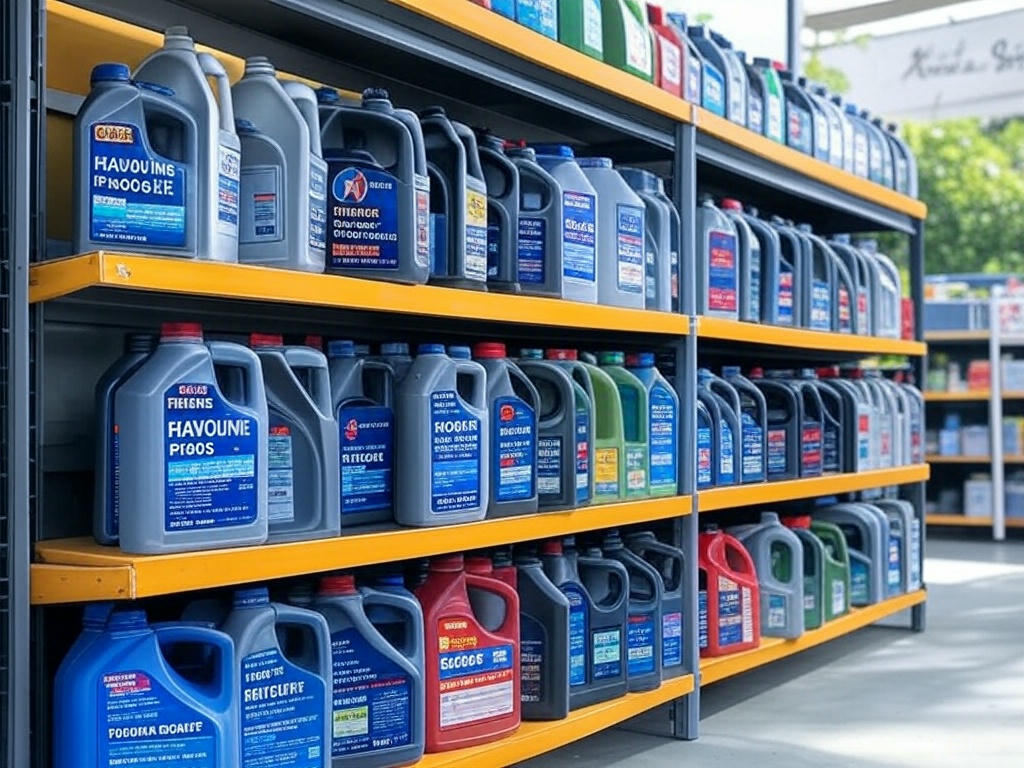
Understanding Shelf Life and Expiry Date for Lubricants
Lubricants, including automotive engine oil, industrial greases, and hydraulic fluids, all have a shelf life, but many people mistakenly equate this with an expiry date. While both concepts relate to how long a lubricant remains usable, they are not the same. Understanding the difference is essential for ensuring optimal lubricant performance and preventing engine or machinery damage.
What is Shelf Life?
Shelf life refers to the recommended storage period during which a lubricant retains its original quality, performance characteristics, and effectiveness when kept in proper storage conditions. Manufacturers determine this period based on chemical stability, additive integrity, and storage factors.
Key factors affecting shelf life include:
- Base Oil Type – Synthetic oils generally last longer than mineral-based oils.
- Additives – Over time, additives may degrade or separate, reducing effectiveness.
- Storage Conditions – Exposure to heat, moisture, or contaminants can shorten shelf life.
- Container Integrity – If a lubricant is stored in a compromised container, oxidation and contamination may occur.
Most lubricants have a shelf life ranging from 3 to 10 years, depending on their formulation and storage conditions.