

Kopi Talk
What is AdBlue? A Complete Guide to Diesel Exhaust Fluid (DEF)

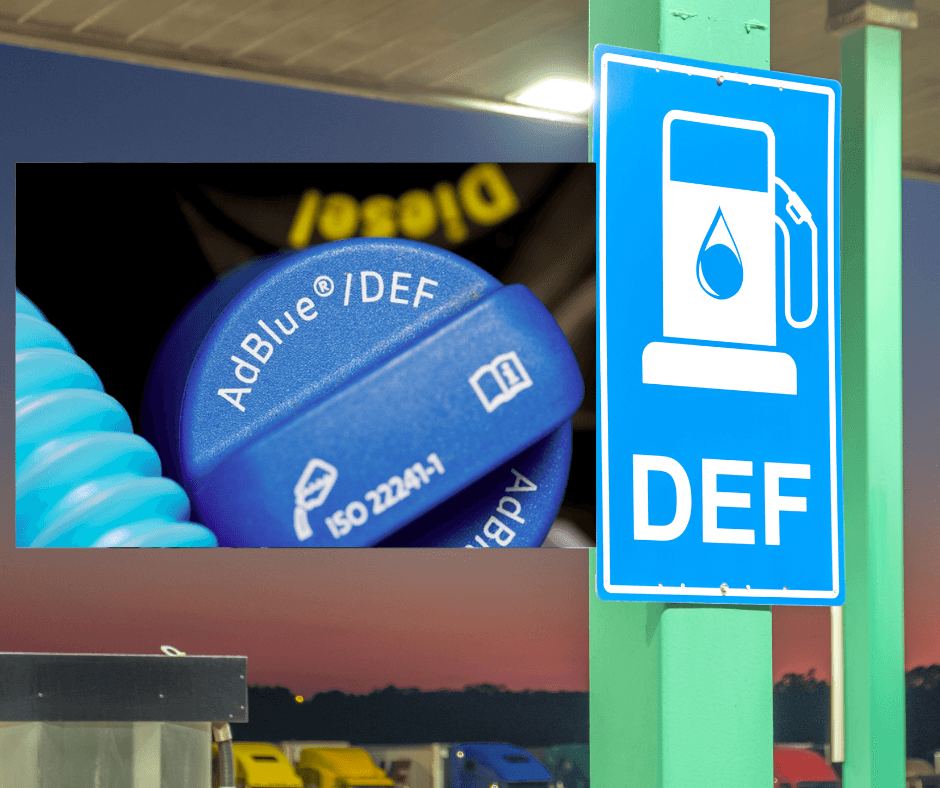
AdBlue (also called Diesel Exhaust Fluid, DEF) is a clear, non-toxic liquid used by modern diesel engines to cut harmful exhaust emissions. If your truck, bus, pickup or machine has an SCR (Selective Catalytic Reduction) system, AdBlue is not optional — the vehicle is designed to need it. This guide explains what AdBlue is, how it works, how to store and handle it correctly, and how to choose a quality product.
What Is AdBlue Made Of?
AdBlue is a precise mixture of:
- 32.5% high-purity urea
- 67.5% deionised (demineralised) water
The quality requirements are defined by the international standard ISO 22241. The concentration and purity matter: even small amounts of minerals, metals or dirt can poison the SCR catalyst. That is why tap water, fertiliser-grade urea or "home-made" mixtures must never be used.
How Does AdBlue Work?
AdBlue is not a fuel additive. It is stored in its own tank and injected into the exhaust stream, not the engine:
- The SCR system sprays a measured dose of AdBlue into the hot exhaust.
- The heat breaks the urea down into ammonia.
- Inside the SCR catalyst, the ammonia reacts with nitrogen oxides (NOx) and converts them into harmless nitrogen and water vapour.
This allows the engine to be tuned for good fuel efficiency while still meeting emission standards such as Euro 5 and Euro 6.
Which Vehicles Use AdBlue?
AdBlue is used in diesel engines equipped with SCR technology, including:
- Diesel passenger cars, SUVs and pickups
- Heavy-duty trucks, prime movers and buses
- Agricultural tractors and harvesters
- Construction and earthmoving equipment
- Generator sets and industrial machinery
- Marine and off-highway equipment
How to check: look for a separate filler with a blue cap marked "AdBlue" or "DEF" (usually next to the diesel filler or under the bonnet), or check your owner's manual.
How Much AdBlue Will You Use?
Consumption depends on engine size, load and driving conditions. As a rough guide:
- Passenger cars and pickups: around 1 litre per 1,000 km
- Trucks and buses: typically 3–6% of diesel consumption — about 3–6 litres of AdBlue for every 100 litres of diesel
Fleet operators should plan AdBlue stock alongside diesel so vehicles are never held up by an empty tank.
How to Store and Handle AdBlue Correctly
- Separate tank only: Never pour AdBlue into the diesel tank, and never put diesel or any other fluid into the AdBlue tank. Either mistake can cause very expensive damage.
- Keep it cool and shaded: Store in a sealed original container, away from direct sunlight. AdBlue slowly degrades at high temperatures — an important point in Malaysia's climate. It freezes at about -11°C.
- Shelf life depends on temperature: Under ISO 22241 guidance, AdBlue kept consistently at 30°C or below lasts about 12 months; cooler storage extends this, while storage above 30°C shortens it significantly.
- Keep it clean: Use dedicated, clean funnels, nozzles and containers. Never reuse containers that held oil, diesel, coolant or water.
- Material compatibility: AdBlue is corrosive to copper, brass and aluminium. Use equipment made of stainless steel or suitable plastics.
- Spills: AdBlue leaves white urea crystals when it dries. Rinse spills off paintwork and components with clean water.
What Happens If You Run Out of AdBlue?
Most SCR-equipped diesel vehicles will:
- Show an AdBlue warning light and a remaining-range countdown
- Enter limp mode with reduced engine power
- Refuse to restart once the tank is empty, until AdBlue is refilled
To avoid downtime, monitor the AdBlue level regularly and top up before the warning stage.
Common Myths About AdBlue
- "AdBlue is a fuel additive." — False. It never mixes with diesel and has its own tank.
- "I can drive without AdBlue." — False. On SCR vehicles, running out triggers power restrictions or a no-start condition.
- "I can use water instead." — False. Water will not reduce emissions and can damage the SCR system and sensors.
- "All AdBlue is the same." — False. Off-spec or contaminated fluid can block injectors and poison the catalyst.
Choosing High-Quality AdBlue
Always choose AdBlue that meets ISO 22241, supplied in sealed containers from a reliable source. Poor-quality or contaminated fluid can damage the SCR injector, pump and catalyst — repairs that cost far more than the fluid itself.
HKCT supplies Incoblue AdBlue for workshops, fleets and industrial users across Northern Malaysia.
Need AdBlue for your fleet or workshop?
Get Incoblue AdBlue from HKCT — trusted lubricant distributor since 1975.
Frequently Asked Questions
Is AdBlue the same as DEF?
Yes. "DEF" (Diesel Exhaust Fluid) is the generic name; AdBlue is the widely used name for the same ISO 22241 fluid.
Can I mix different brands of AdBlue?
Yes, as long as both meet ISO 22241. The specification is the same.
What if I accidentally put AdBlue in the diesel tank?
Do not start the engine. Have the fuel tank drained and the system flushed by a workshop.
Is AdBlue dangerous?
No. It is non-toxic and non-flammable, but avoid contact with eyes and rinse skin with water.
Final Thoughts
AdBlue is essential for modern SCR diesel engines: it keeps them compliant with emission rules while protecting performance and fuel efficiency. Use the right quality, store it cool and clean, and never let the tank run dry.